Vox Pop in Print Versus Video

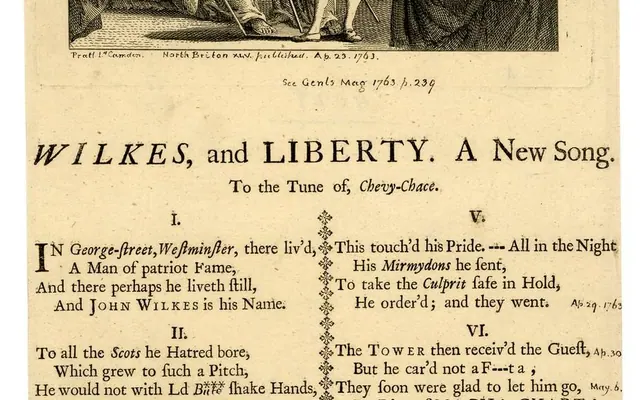
A printed vox pop strips away tone, pause, and expression, leaving only the words themselves, which forces a reader to judge an answer purely on its content rather than on how warmly or hesitantly it was delivered.
Video preserves all of that additional context, which can make an answer feel richer and more human, but it also means a nervous or awkward delivery can unfairly overshadow a genuinely thoughtful answer that simply was not spoken smoothly.
Choosing between the two formats is really a choice about what kind of honesty to prioritise: the cleaner, more equal honesty of the printed word, or the fuller, messier honesty of an actual human voice on screen.
Publications increasingly offer both formats side by side for the same set of interviews, letting an audience choose whichever version of honesty they prefer, though the two rarely tell exactly the same story even when the underlying words are identical.