

Communal Decision Making in Small Groups
Launch library · evergreen read

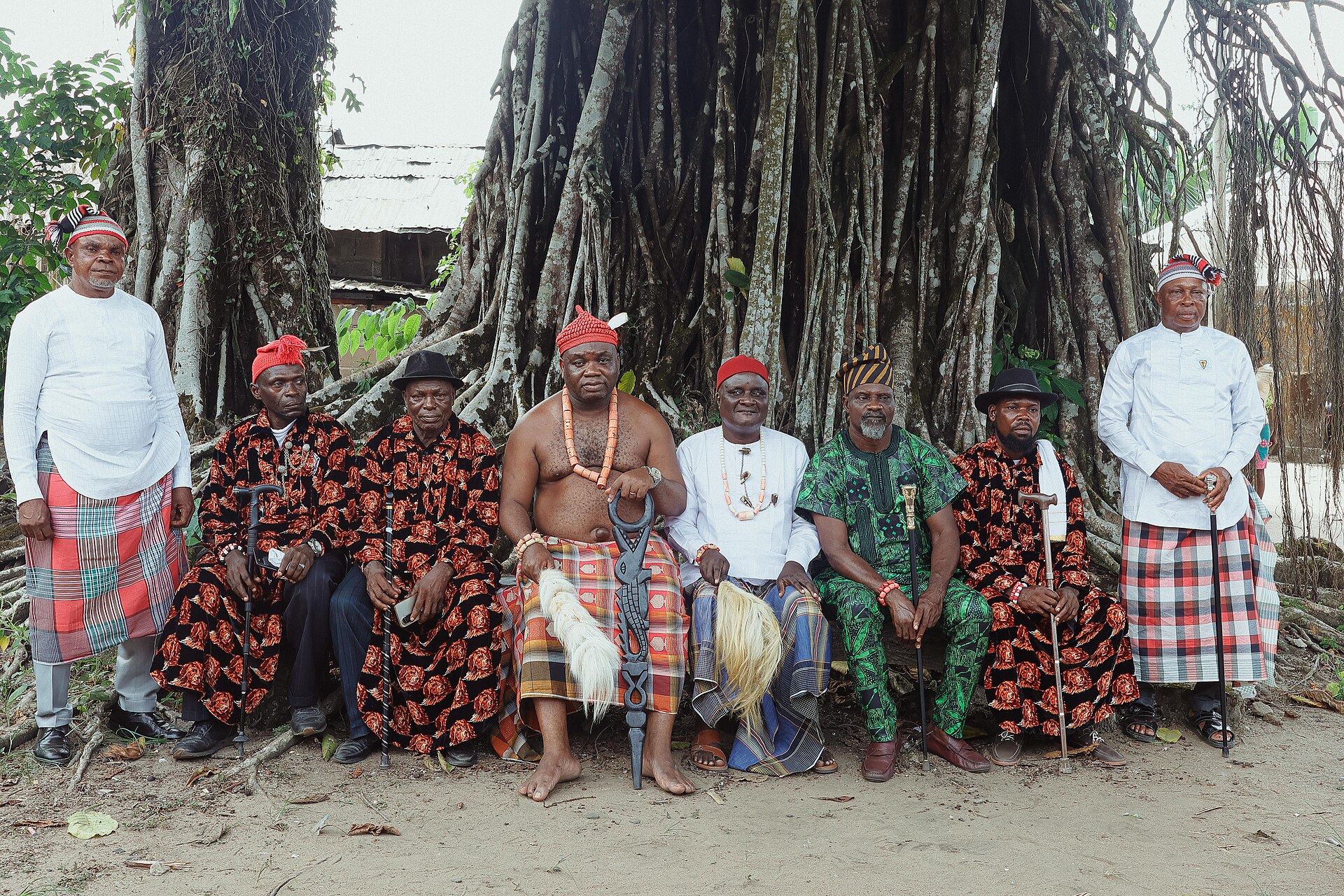
Long before formal committees and voting procedures, small communities settled matters through open discussion, where a decision was not considered final until everyone present had at least been given the chance to object or add something of their own to it.
This slower process could be frustrating for anyone in a hurry, but it produced decisions that were harder to unravel later, because objections had already been heard and addressed rather than simply overruled by whoever held the most authority in the room that day.
Modern organisations often rediscover a version of this instinct when a quickly made decision unravels under quiet resistance. Taking the time to genuinely include a group in a decision, rather than merely informing them of it, tends to produce agreements that actually hold.
The instinct behind this approach was rarely written down as a formal principle, yet it shaped countless small communities all the same: a decision reached together, however slowly, tends to be honoured more willingly than one simply handed down from above without real discussion.